
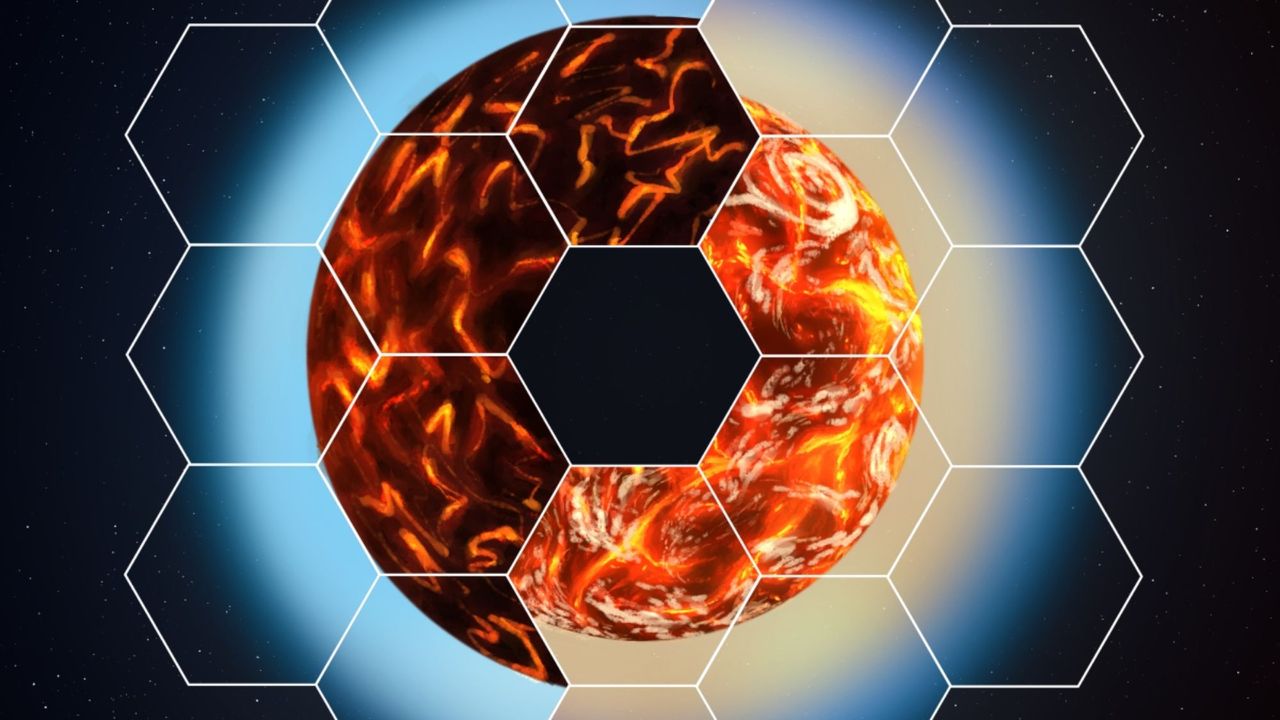
These mysterious exoplanets may have clouds of vaporized rock and grounds of scorching magma oceans. Sub-Neptune exoplanets could have atmospheres so dense and crushing that rock is vaporized to form clouds that trap heat at the surface of the planet.
A apuração publicada por www.space.com vira base para uma leitura editorial direta e contextualizada.
Trechos de apoio da pauta: Clouds formed from vaporized rock could create the ultimate thermal insulation on one of the most common types of exoplanets discovered so far — the sub-Neptunes — raising temperatures so high that these worlds' solid surfaces melt and turn into oceans of magma."This work takes us one step closer to answering the question of what these mysterious worlds are made from," said astronomer Luis Welbanks, of Arizona State University, in a statement.Sub-Neptunes are planets larger than Earth but smaller than Neptune. They are especially mysterious since we do not have a world of this type in our solar system.
- Ponto de atenção: these.
- Ponto de atenção: mysterious.
- Ponto de atenção: exoplanets.
Em resumo, a leitura editorial acompanha o impacto do tema no nicho Lifestyle.
:quality(85)/714bb402-38e3-43bf-8898-7556dcd88307.jpeg)
:quality(85)/b2559bc4-a3f9-4524-8599-e1e7c27867ef.png)