
🌊 Negócios em Emersão  ·  Vamos Emergir?  ·  Cadastre-se e ganhe 50 REC de bônus
Notícias

Acompanhe as Notícias da Recifes

Fique por dentro das últimas novidades sobre tecnologia, negócios e empreendedorismo.

5 notícias encontradas para "magnets"
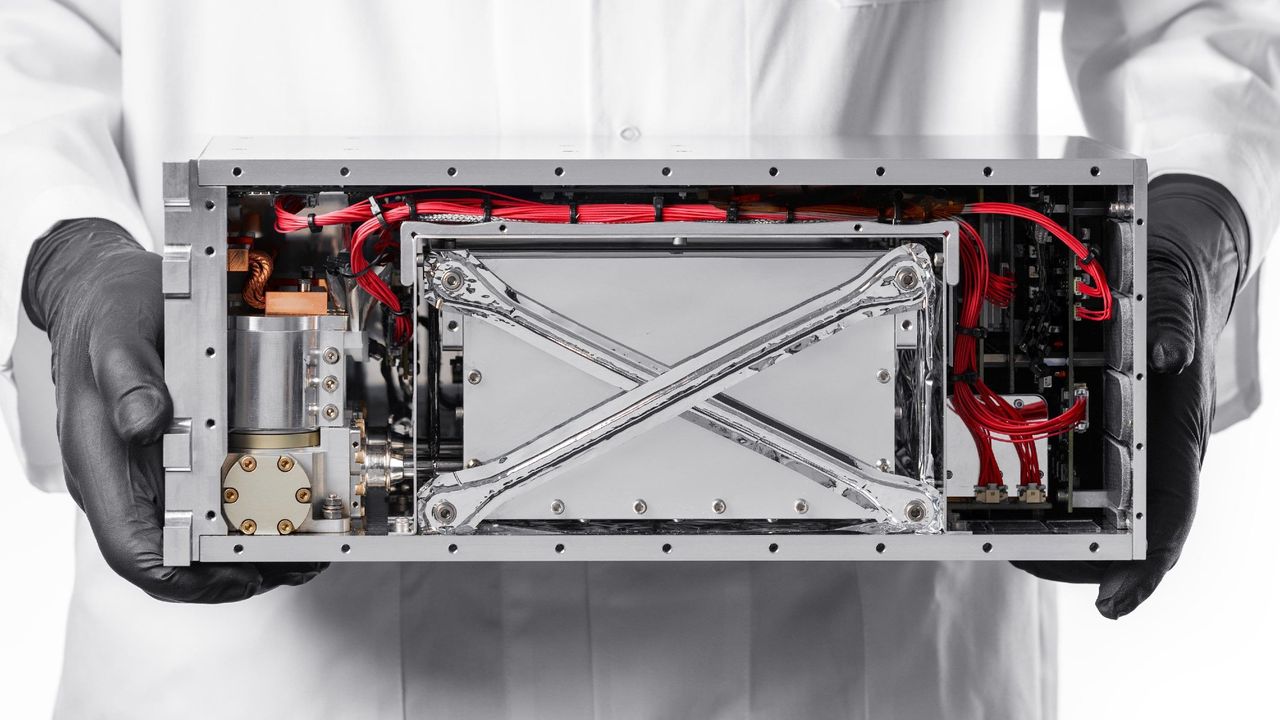
'Acceleration without fuel:' Revolutionary superconducting thruster harnesses Earth's magn
A novel space thruster using superconducting magnets completed its first orbital tests. The technology could in the future propel spacecraft using just the power of the sun.
A tiny diamond defect could reveal a mysterious new kind of magnetism
A newly proposed quantum sensing technique could make it much easier to identify one of physics’ newest and most intriguing classes of magnets: altermagnets. These unusual materials, discovered only a few years ago, appear to combine the speed and efficiency of antiferromagnets w
Controlling magnetic chirality could help memory pack in more data
Magnetic storage devices, like a computer's hard disk drive, utilize magnets to represent binary data. However, as these devices are downsized, stray magnetic fields generated by individual magnetic components can interact with neighboring elements to cause operational malfunctio
Could permanent magnets protect astronauts from solar storms?
Shielding astronauts from the deadly radiation they face is a central challenge for any designer of a deep-space crewed mission. Even relatively low levels of exposure over long periods can lead to everything from central nervous system damage to cancer. But current solutions, su
Twisted ultrathin magnet retains magnetization after field changes, study finds
The properties of ultrathin magnets can be specifically altered by a slight twist between two atomic monolayers. This is the conclusion reached by an international research team led by TU Darmstadt in a study published in Nature Communications. The findings open new prospects for