🌊 Negócios em Emersão  ·  Vamos Emergir?  ·  Cadastre-se e ganhe 50 REC de bônus
Notícias

Acompanhe as Notícias da Recifes

Fique por dentro das últimas novidades sobre tecnologia, negócios e empreendedorismo.

21 notícias encontradas para "neuroscience"
What one sleepless night does to brain connections and why sleep may reset them
A night without sleep produced increased markers of connections between brain cells, showing that sleep in humans may be important for restoring cellular balance in the brain, according to a study published in PLOS Biology by David Elmenhorst from the Forschungszentrum Jülich Ins
Uneven cerebellum aging may partly explain why some older adults stay mentally sharp
Scientists may have discovered a new role for the cerebellum, the part of the brain that sits at the base of the skull. A new paper published in the journal Nature Neuroscience reports that different parts of the cerebellum change at different rates with age, which may be linked
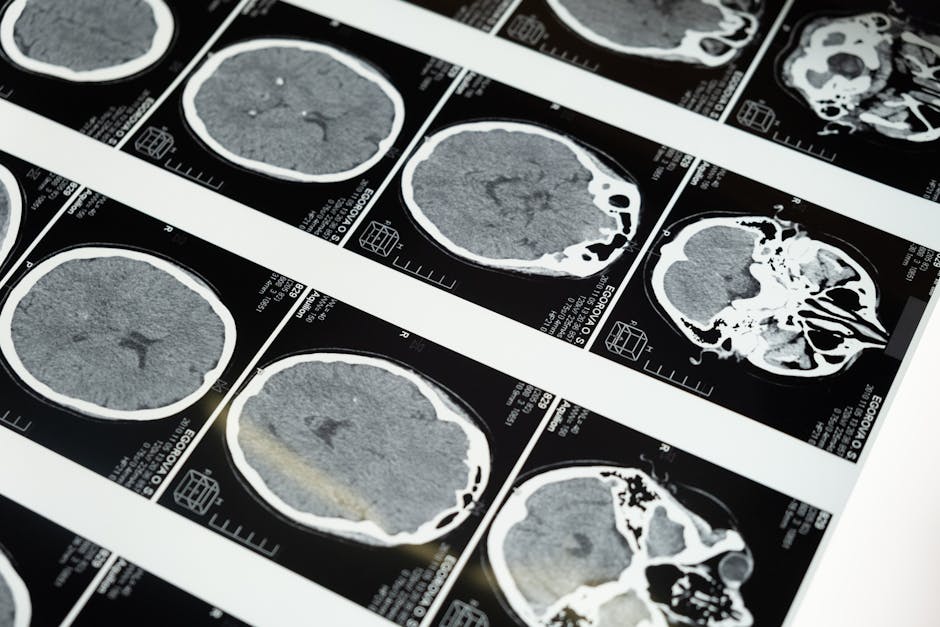
Personalized brain imaging may improve outcomes for treatment-resistant depression
A new randomized clinical trial from investigators at Mass General Brigham's Neuroscience Institute and Department of Psychiatry suggests that using personalized brain imaging to guide transcranial magnetic stimulation (TMS) may improve outcomes for people with treatment-resistan
Targeting cannabinoid receptors in bladder sensory pathways may alleviate pain of cystitis
The burning pain associated with cystitis affects millions of people around the world, and it can take days or even years for some patients to find relief from bladder pain, infection-related symptoms and the constant need to urinate. A new study led by Flinders University publis
Foto: khezez  | خزاز / Pexels
Can we engineer being on the same wavelength with others? Research offers a cautious 'yes'
We often feel that we are "on the same wavelength" with one another, but can science identify and engineer this phenomenon? Studies by a team of neuroscience researchers suggest that it's possible—a connectivity that is both beneficial and can be enhanced for therapeutic and othe
Foto: cottonbro studio / Pexels
Large multiple sclerosis brain cohort reveals biological differences linked to disease sev
Why does multiple sclerosis progress quickly in some people, while others remain stable for years? Researchers from the Netherlands Institute for Neuroscience have identified biological patterns in the brain that may help explain these differences. Their study shows that these pa
Foto: Ryutaro Tsukata / Pexels
AI turns mouse movements into language-like tokens, uncovering autism-related social behav
An artificial intelligence model capable of reading and interpreting animal behavior like language has been developed by researchers at KAIST. The team created an AI model that learns behavioral data in a manner similar to natural language and was able to independently identify s
Foto: www.kaboompics.com / Pexels
The circuit that lets your brain think and see
Nuttida Rungratsameetaweemana is challenging a story neuroscience has told for decades. According to the conventional account, our eyes collect raw information and relay it through a series of nerves and waystations that lead deep into the brain, eventually reaching the cortex. T
Speaking another language could slow aging in the brain
People who speak more than one language seem to have younger brains, according to research presented at the Federation of European Neuroscience Societies (FENS) Forum 2026. Our brains are made up of billions of nerve cells that need to communicate with one another. As we age, con
Just one exposure to cocaine alters mouse brain cells for 2 weeks, research reveals
Researchers studying the impact of cocaine in mice have found that just one exposure to the drug can create changes in brain cells that persist for at least two weeks. Their findings were presented at the Federation of European Neuroscience Societies (FENS) Forum 2026.
Why does Parkinson's disease affect more men than women?
New research presented at the Federation of European Neuroscience Societies (FENS) Forum 2026 has discovered some of the genetic changes in brain cells that may help explain why more men than women develop Parkinson's disease.
Genetic insights into a fluid-related brain condition in newborns
Early detection and treatment of congenital cerebral ventriculomegaly (CCV)—when a fetus's fluid-filled brain ventricles swell due to a condition called hydrocephalus—can help clinicians prevent developmental or neurological disabilities in affected infants. New research led by i