🌊 Negócios em Emersão  ·  Vamos Emergir?  ·  Cadastre-se e ganhe 50 REC de bônus
Notícias

Acompanhe as Notícias da Recifes

Fique por dentro das últimas novidades sobre tecnologia, negócios e empreendedorismo.

424 notícias encontradas para "risk"
US study suggests GLP-1 RA drugs are associated with small increase in ischemic optic neur
A target trial emulation found that people with type 2 diabetes who started glucagon-like peptide-1 receptor agonist (GLP-1RA) therapy had a slightly higher risk of ischemic optic neuropathy (ION), a rare condition involving reduced blood flow to the optic nerve that can cause su
Athletes with ADHD face higher concussion risk and longer recovery, study finds
New research from the University of Mississippi indicates that athletes with ADHD need even more scrutiny when head injuries are involved.
Foto: Nataliya Vaitkevich / Pexels
Muscles matter for diabetes risk, new study finds
A major new international study led by Curtin University has found diabetes risk is about more than body weight or obesity, revealing that muscle health also likely plays a major role in whether people develop the condition.
Pregnancy may flag future heart and metabolic risk, even without major complications
Pregnancy can be a warning light. Rutgers researchers found that cardiovascular health during pregnancy was linked to how soon women were later diagnosed with chronic hypertension or metabolic conditions after giving birth.
Foto: Alena Shekhovtcova / Pexels
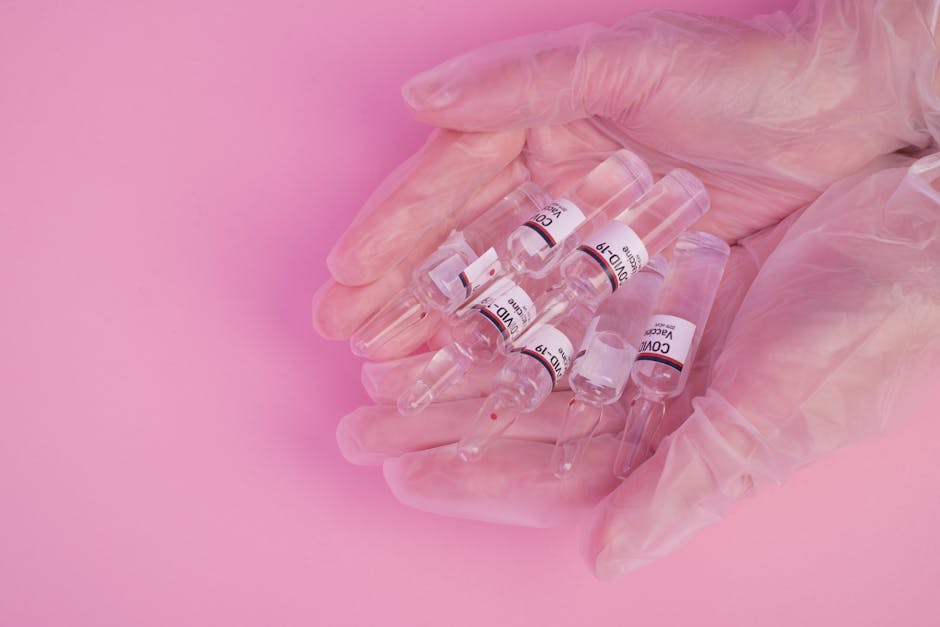
Who needs another COVID vaccine—and who might be able to skip it?
The COVID pandemic feels like a long time ago. Now, we have widespread immunity from vaccination and natural infection. And getting COVID is less risky than it was five years ago.
Foto: cottonbro studio / Pexels
Herpes immune response linked to Alzheimer's disease
New research has demonstrated a mechanistic link between the immune response to herpesviruses—the family of viruses related to cold sores, childhood infections and mononucleosis—and an increased risk of Alzheimer's disease. A team of scientists from Cardiff University's School of
Postnatal collapse is rare but can have deleterious consequences
Sudden unexpected postnatal collapse during the first week of life is rare but can have deleterious consequences. A new study from Karolinska Institutet shows that the condition is more common than previously estimated and highlights measures that may reduce the risk.
Foto: JÉSHOOTS / Pexels
For your health—can your breakfast help lower cancer risk?
Don't sleep on the cancer prevention benefits of a healthy breakfast. Whether it's oatmeal, whole-wheat toast, berries in Greek yogurt or other healthy combinations—starting the morning with simple, whole foods is a great way to help lower the risk of cancer while also energizing
Foto: Puwadon Sang-ngern / Pexels
Genetic safeguard protects the female heart—and what happens when it's lost
Men and women are not born with the same risk of heart disease, and for decades scientists have struggled to explain why. A new study from the University of North Carolina at Chapel Hill, published in Genes & Development, offers an answer: The female heart depends on a molecular
Scientists uncover genetic clues from a tumor-prone reptile that could advance cancer rese
A new study led by experts at the University of Nottingham suggests a pet gecko with an unusually high risk of tumors may be a promising model for understanding how cancer develops and spreads. The findings of the study, which are published in BMC Biology, could help explain why
Blood-based test can predict risk of developing symptoms of Alzheimer's up to a decade ear
A blood test for the biomarker phosphorylated tau 217 (p-tau217) recently received federal clearance, but questions have emerged about the extent to which such tests can accurately predict whether a cognitively healthy individual will develop cognitive impairment—a key symptom of
Study shows a blood test can help identify healthy people at high risk for Alzheimer's dis
A blood test may predict if apparently healthy older adults are likely to develop Alzheimer's symptoms in the next five or 10 years, researchers reported Wednesday.