
🌊 Negócios em Emersão  ·  Vamos Emergir?  ·  Cadastre-se e ganhe 50 REC de bônus
Notícias

Acompanhe as Notícias da Recifes

Fique por dentro das últimas novidades sobre tecnologia, negócios e empreendedorismo.

330 notícias encontradas para "child"
Mapping the risk factors for mother-infant bonding disorder
Mother-to-infant bonding difficulties (MIBD) are commonly associated with postnatal depression. MIBD has been linked to developmental delays and child abuse. Researchers found that about half of MIBD cases in Japan involve mothers who did not experience postpartum depression. Dif
Improving growth outcomes for children living with dwarfism
New findings from a trial conducted at Children's Hospital Colorado (Children's Colorado) and University of Colorado (CU) Anschutz School of Medicine demonstrate significantly increased growth rates in children with achondroplasia, the most common form of dwarfism. These results
Higher vitamin A levels linked to better lung function in children and adults with asthma
Higher levels of circulating vitamin A are linked to better lung function in children and adults with asthma, while vitamin D shows similar benefits in adults, including slower biological aging, finds the first study of its kind, published online in the respiratory journal Thorax
Infant iron supplements linked to fewer behavior problems at age three
Healthy, breastfed infants who receive iron supplementation show fewer aggressive behaviors at age 3 compared with children who did not receive supplementation, according to new research from Umeå University. However, more research is needed before iron supplementation can be rec
Moms' responsiveness to their babies may predict later childhood psychiatric disorders
When mothers were slower to vocally respond to their 1-year-old children's vocalizations, the children were more likely to have been diagnosed with a psychiatric disorder by age 7, according to a study published in PLOS One by Bethany Stanley of the University of Glasgow in the U
Whether children receive opioids after surgery varies by hospital and procedure type
Whether children receive an opioid prescription after surgery varies substantially by procedure type and hospital, according to a new national analysis published in the Journal of the American College of Surgeons. The study also found that overall, nearly one-third of children ar
Program dramatically improves safety of surgery for children
Ann & Robert H. Lurie Children's Hospital of Chicago achieved more than a 13-fold improvement in surgical safety after implementing a series of interventions based on high-reliability principles across its operating rooms. The hospital went from experiencing a serious safety even
Foto: Bulat Khamitov / Pexels
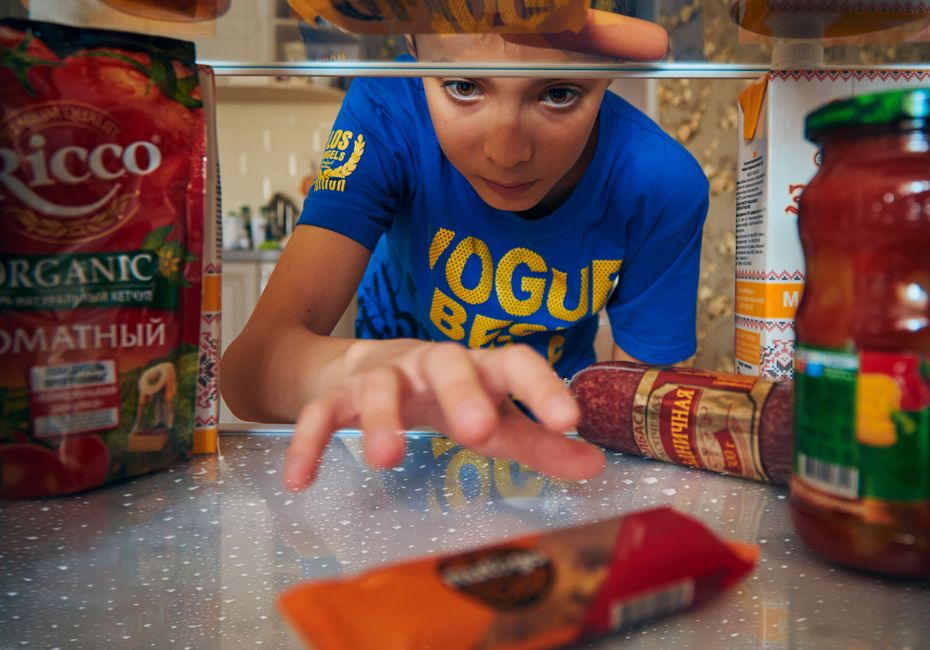
Ultra-processed foods linked to brain differences in young children
More than half the calories consumed by young kids in the U.S. come from ultra-processed foods. O recorte ajuda a contextualizar a pauta dentro de Fitness.
Placenta as property: Why every mother deserves the right to choose
In many cultures, the placenta is more than tissue left over after birth. It may be understood as spiritually linked to the baby, treated as a companion or sibling, and buried to protect the child or connect them to family and land.
FDA approves Tzield for children with new stage 3 type 1 diabetes
The U.S. Food and Drug Administration has granted accelerated approval to Sanofi's Tzield (teplizumab-mzwv) to delay the decline in endogenous insulin production in children aged 8 to 17 years recently diagnosed with stage 3 type 1 diabetes.
Preserved testicular tissue produces early germ cells after childhood cancer treatment
Researchers at Karolinska Institutet have demonstrated that it is possible to create early germ cells from preserved testicular tissue of young boys facing cancer therapy. The study, published in the journal Human Reproduction Open, may eventually contribute to new ways of protec
Early dog exposure may protect babies from infections through home microbes
Children who have been in contact with dogs in early childhood are, on average, healthier and require fewer courses of antibiotics than children without such contact. The protective association is explained, at least in part, by the spread of dog-associated microbes in the home.