🌊 Negócios em Emersão  ·  Vamos Emergir?  ·  Cadastre-se e ganhe 50 REC de bônus
Notícias

Acompanhe as Notícias da Recifes

Fique por dentro das últimas novidades sobre tecnologia, negócios e empreendedorismo.

197 notícias encontradas para "harm"
Foto: Aurelijus U. / Pexels
An iron-driven chain reaction may trigger mass death of harmful algae blooms
Over recent decades, harmful algal blooms have become increasingly common. These blooms often consist of bacteria called "cyanobacteria" in freshwater ecosystems. They can produce debilitating toxins, suffocate marine life by depleting oxygen in the water, and make water unsafe f
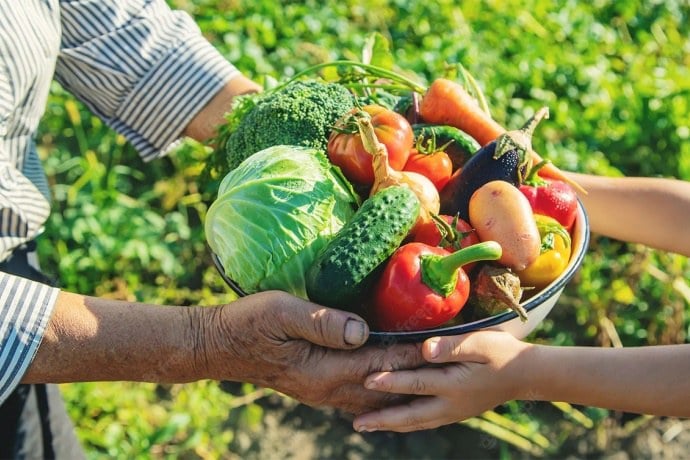
Transição, harmonia e um novo agro nos próximos 40 anos
Foto: Contag / divulgaçãoNão podemos mais ir adiante dependendo unicamente do talento guerreiro e heroico do agricultor brasileiro O post Transição, harmonia e um novo agro nos próximos 40 anos apareceu primeiro em Canal Rural.
A large, harmless asteroid will zip past Earth this weekend
A large asteroid will zip past Earth this weekend, but don't worry: It poses no danger. O recorte ajuda a contextualizar a pauta dentro de Agro.
Foto: Anastasia  Shuraeva / Pexels
Burned-home soils showed uneven lead, arsenic contamination after Los Angeles wildfires
A chemical analysis of residential soils and ash around California homes burned by the Eaton and Palisades wildfires in early 2025 revealed wide variation in contamination by potentially harmful elements, including lead, according to a study published in Environmental Science and
New research identifies types of dishonesty that occur in a relationship—and their consequ
From "harmless" white lies to infidelity, dishonesty in romantic relationships is a complex phenomenon that takes on many forms. New research from the University of Copenhagen shows that while dishonesty between partners often fuels distrust and resentment, it may also, in some c
Ancient algal defenses against UV may have helped plants conquer land
A new study sheds light on how the ancestors of modern land plants survived one of the most challenging aspects of life outside water: exposure to harmful ultraviolet (UV) radiation. By examining a microscopic alga closely related to the earliest land plants, researchers have unc
Foto: MART  PRODUCTION / Pexels
Not just for rich people: the progressive case for air conditioning | Phineas Harper
Air conditioning can bring significant benefits but also real harms. The answer is for it to take its place alongside a comprehensive state plan for climate adaptationAs Britain reels from Europe’s worst ever heatwave, many households are, for the first time, seriously considerin
What DC's algal bloom reveals about a growing water threat
When bright green water appeared in the newly renovated Lincoln Memorial Reflecting Pool, it drew national attention and sparked political finger-pointing. The culprit: cyanobacteria—sometimes called blue-green algae—a type of bacteria that can produce toxins harmful to people, p
Scientists may have finally found how Alzheimer's spreads through the brain
A common brain protein may be giving Alzheimer’s disease an unexpected way to spread, carrying toxic Tau proteins from damaged neurons into healthy ones. By blocking these harmful protein packages before they reach new cells, researchers believe it may one day be possible to slow
Spider venoms could stop deadly varroa mites killing honey bees
Spider venoms contain ingredients that could lead to a new treatment to protect honeybees from the deadly Varroa destructor mite, according to a study led by the University of the Sunshine Coast. Researchers identified components in the venoms of the Tasmanian cave spider and the
Foto: Google DeepMind / Pexels
Deliberate slow growth could explain bacteria survival strategies
Escherichia coli (E. coli) are mostly harmless bacteria that live in the intestines of animals and humans. They are the most well-studied bacteria and, often, when scientists discover something about E. coli, they extrapolate that discovery across all bacteria. So when scientists
Foto: Samer Daboul / Pexels
If we force online platforms to control harmful content, where does that leave sex ed?
Most of us have attended sex ed classes in school. If we're lucky, we'll learn about consent and how to roll a condom onto a banana. But the classroom rarely goes into the specifics of sexual health and well-being—including what to do when a condom breaks.