🌊 Negócios em Emersão  ·  Vamos Emergir?  ·  Cadastre-se e ganhe 50 REC de bônus
Notícias

Acompanhe as Notícias da Recifes

Fique por dentro das últimas novidades sobre tecnologia, negócios e empreendedorismo.

1,101 notícias encontradas para "people"
Foto: Yusra  Mizgin Günay / Pexels
Your dominant hand is made, not born, experiments suggest
Most people favor one hand, and that hand tends to be the better one for writing, throwing and managing chopsticks. The long-standing view is that the dominant hand is "born" more capable, its skills rooted in a brain hemisphere specialized for motor control. A new study in PNAS
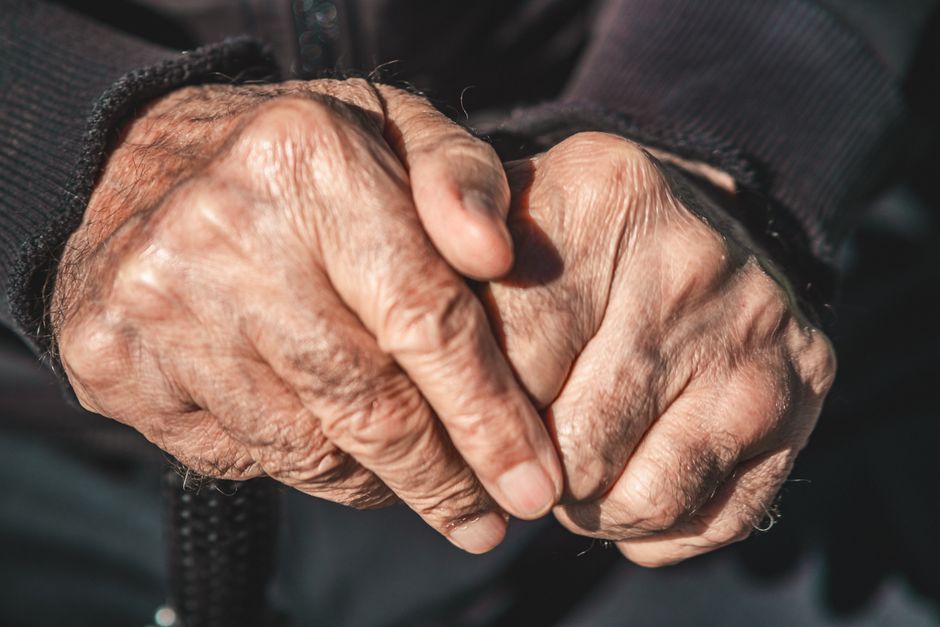
Foto: Ayşegül  Aytören / Pexels
One gene, two diseases: Study reveals opposing dementia and cancer risks
Researchers at the University of Kentucky Sanders-Brown Center on Aging have uncovered evidence that a single genetic variant may influence the risk of two of the diseases people fear most—dementia and cancer—but in opposite ways.
Alzheimer's biomarkers may forecast dementia progression in people 80 and older
Cognitive decline in very old adults has been considered for decades to be an almost inevitable consequence of aging. In clinical practice, this has contributed to many memory problems in patients over age 80 being interpreted as a natural part of aging, without further investiga
Foto: Tima Miroshnichenko / Pexels
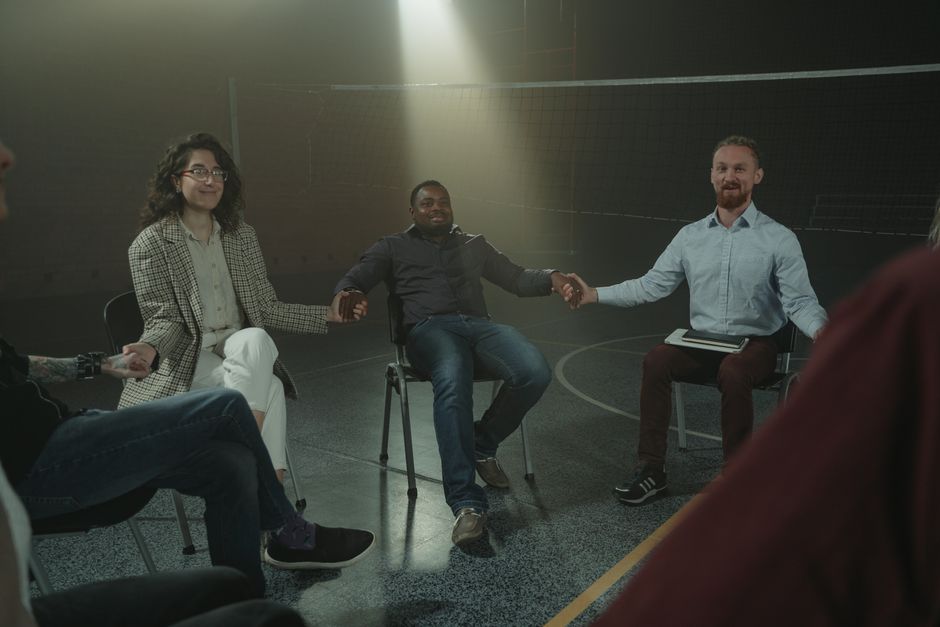
Global reforms fall short as psychosis care still brings abuse, coercion and exclusion
People with psychosis continue to face abuse, discrimination and early death despite global reform efforts to protect their human rights, according to La Trobe University researchers.
Foto: Pavel Danilyuk / Pexels
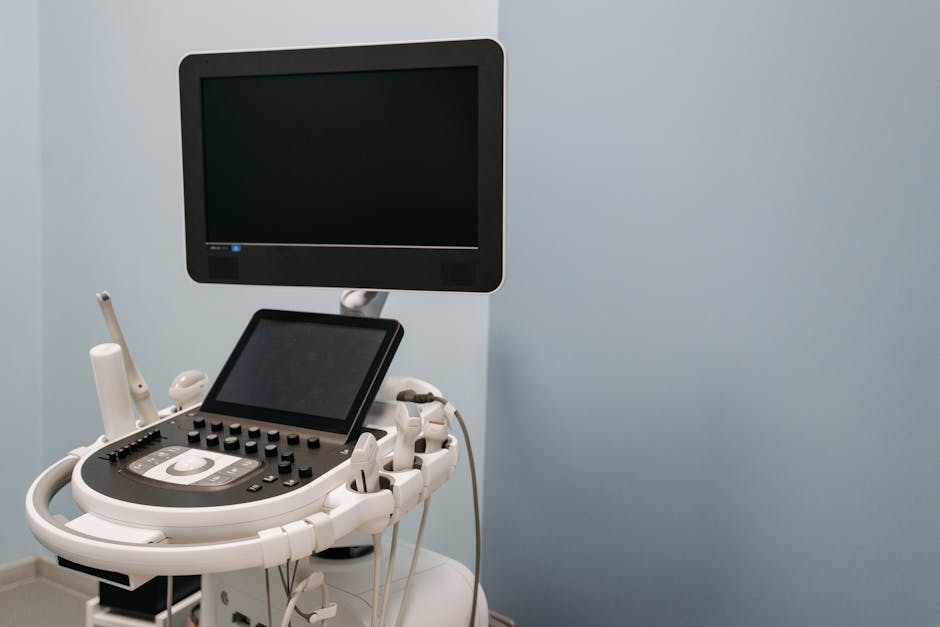
A portable ultrasound system could make reliable breast imaging more accessible
For people at high risk of developing breast cancer, yearly mammograms may not be enough to detect tumors early. To make earlier diagnosis easier, an MIT team has developed portable detectors based on ultrasound, which could be used much more frequently.
Lived experience is often dismissed—but we should recognize it as a form of expertise
Institutions increasingly invite people to contribute their lived experience. Government agencies appoint patients to advisory panels and call on communities for their views on policy. Health New Zealand employs peer support workers, and universities seek lived experience in rese
Foto: Instituto Alpha  Fitness / Pexels
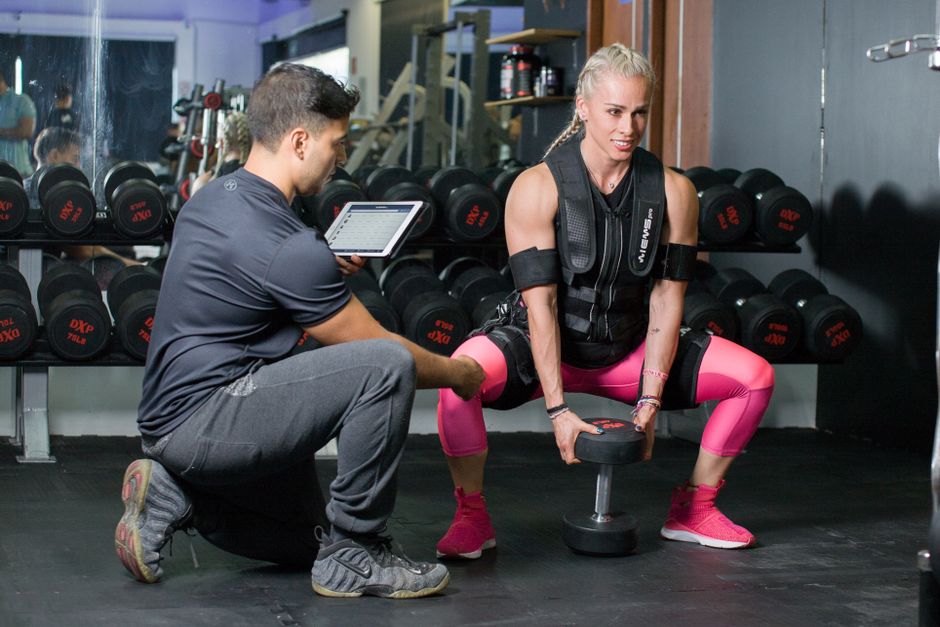
AI can be a personal trainer in your pocket—but is it safe?
Generative artificial intelligence (AI) is changing the fitness industry: People can now ask chatbots to write marathon plans, build gym programs and even adjust workouts based on sleep or heart rate data.
Foto: Yoga Vidya Mandiram / Pexels
NHS patients are being socially prescribed yoga—but is yoga ready to help them?
Yoga can be seen as an accessible way to exercise and improve well-being. You don't always need a gym membership, specialist machinery or other people to do it.
A new framework to advocate for improving the quality of life of people with rheumatic and
Rheumatic and musculoskeletal diseases (RMDs) contribute significantly to the disability and health care burden in Europe, but until now there has been no harmonized, specific data set to help systematically compare differences in rheumatology workforces, health resources and acc
Foto: SHVETS production / Pexels
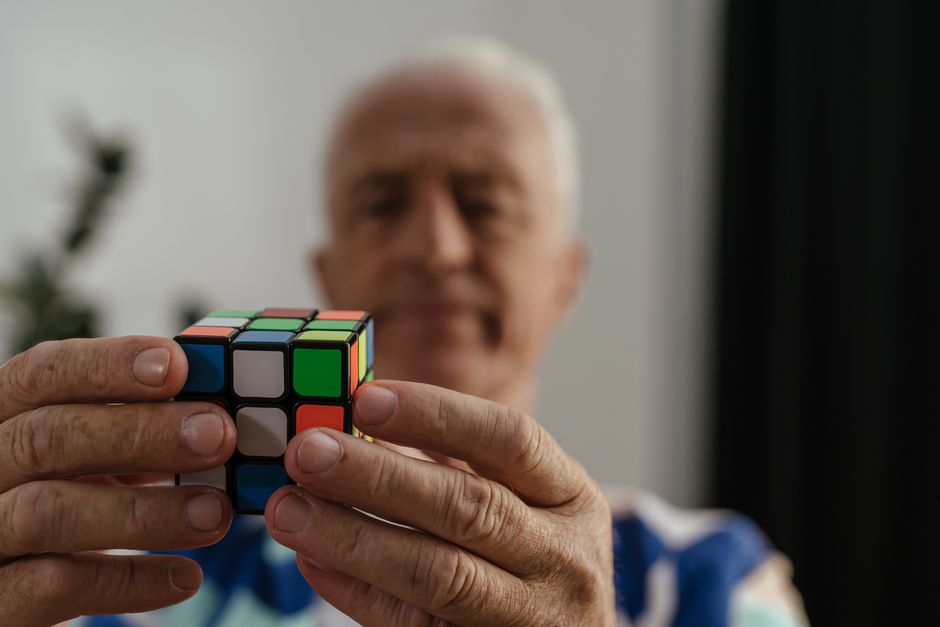
Cognitive flexibility problems may arise months before memory impairment in Alzheimer's
When most people think about Alzheimer's disease, memory loss is usually the first thing that comes to mind. Forgetting a loved one's name, missing appointments or repeatedly misplacing everyday items are often considered early warning signs. But what if the disease begins affect
Diets that lower inflammation might cut dementia risk, study indicates
A diet rich in anti-inflammatory foods might help people avoid dementia, especially if they have an elevated risk of Alzheimer's disease, a new study says.
Study identifies new brain targets for individualized epilepsy treatment
Mayo Clinic researchers have created a detailed map of the pulvinar, a deep brain region that could help doctors more precisely target brain stimulation therapies for people with drug-resistant epilepsy.